Evolution of Vault Technology: Upgrade Your Vault
Today’s vaults incorporate cutting-edge materials, digital access systems, and modular designs that provide a level of security and efficiency unimaginable just a few decades ago.
These advancements aren’t just about better protection—they’re about smarter, faster, and compliant security solutions tailored for modern businesses.
In an era where security threats are increasingly sophisticated and insurance compliance continues to evolve, upgrading your vault is essential. Whether you’re safeguarding cash, valuables, sensitive data, or high-value assets, relying on outdated vault systems could leave your business vulnerable. Upgrading to a modern vault offers robust protection and features designed to align with the latest regulatory and insurance requirements—helping your business stay secure, competitive, and future-ready.
If you’re thinking of buying a new safe or vault, read our safe buying guide.
The Evolution of Vault Materials
Traditional Materials
Historically, vaults were constructed using heavy-gauge steel and reinforced concrete. These materials provided a formidable barrier against physical intrusion and were highly effective for their time. However, strong but lacks adaptability or resistance to modern breach methods. As tools and techniques used by criminals advanced, these traditional vaults began to show their limitations.
Modern Materials
Today’s vaults are built with a new generation of materials engineered to counter a broader range of threats.
High-strength alloys, composite metals, and layered barrier systems are now standard in premium vault installations and construction. These materials are not only stronger but also lighter and more resistant to high-intensity attacks like drilling, thermal cutting, or explosive force.
In addition, modern vaults often include fireproofing and insulation technologies, providing vital protection against environmental hazards.
The result is a smarter, more resilient vault structure that offers superior security without the excessive bulk or complexity of older models.
Enhanced Security Features in Modern Vaults
Advanced Locking Systems
The evolution of locking mechanisms provides significant advancements in vault technology. Traditional mechanical locks, while reliable, are increasingly being phased out in favour of digital alternatives that offer superior protection and flexibility.
Modern vaults now feature biometric authentication (such as fingerprint or retina scanners), electronic access control panels, and programmable time-lock mechanisms.
These systems not only enhance physical security but also allow for detailed access logs, enabling better accountability and oversight of who enters and when.
Creating Digital Security Systems
In today’s world vaults are no longer the standalone security measure they once were – they form the base of an integrated security ecosystem. This includes CCTV surveillance, motion detectors, alarm systems, and remote access control platforms.
These integrations allow for real-time monitoring, immediate threat response, and remote diagnostics, giving business owners and security teams full visibility and control even when off-site.
For information on high security vaults see our blog post; Exploring the World’s Most Impenetrable High Security Vaults.
Compliance with Modern Regulations
Regulatory Standards
As industries face increasingly stringent security and safety requirements, having a vault that meets modern regulatory standards is crucial. Whether it’s a bank, jeweller, pharmaceutical or any business dealing with high-value or sensitive materials, compliance is no longer just a best practice—it’s a legal and insurance necessity.
Modern vaults are designed to align with current national and international standards, including those set by institutions such Loss Prevention Certification Board (LPCB). This ensures not only greater protection but also helps businesses maintain their credibility, insurance eligibility, and legal standing.
Future-Proofing Your Vault
Scalability and Customisation
Modern vault systems are built with scalability and customisation in mind, allowing businesses to adapt their security infrastructure as their operations grow or evolve. Whether it’s expanding storage capacity, reinforcing specific areas, or integrating new access controls, modular vault designs make it easier than ever to match your security needs.
Upgradable Technology
Technology doesn’t stand still, and neither should your vault. Many modern vaults are designed with upgrades for the future in mind, enabling businesses to incorporate the latest security innovations without a full replacement.
From updating digital access systems to integrating new surveillance tools or environmental sensors, having a vault that supports technological upgrades adds long-term value and continued protection against emerging security threats – both digital and physical.
If you’re looking for a high security vault or safe, see our guide: Finding the Perfect High Security Safe: Where to Look and What to Ask.
Upgrade Today for a More Secure Future
Upgrading your vault is about staying ahead. Modern vault technology delivers significant advantages in security, compliance, efficiency, and adaptability. From resisting advanced physical attacks to integrating seamlessly with digital systems while making sure your vault is meeting your required regulatory and insurance standards.
Investing in a modern vault ensures your business is protected while offering the flexibility to grow and adapt over time. Whether you’re safeguarding valuables, sensitive documents, or high-value inventory such as jewellery, now is the time to consider whether your current system is up to the task.
At Trident Safes, we specialise in providing state-of-the-art vault solutions with professional vault installation and dismantling services as well as safe hire, safe installation and safe removals.
Contact our expert team today to explore how upgrading your vault can strengthen your business and secure your future.
Vault Removal vs. Vault Restoration: Best Option for Your Business
For many businesses—whether in banking, retail, or secure storage—vaults are a critical part of daily operations. But what happens when your existing vault becomes outdated, inefficient, or no longer fits your business needs? Or you’ve moved into a building which still houses a vault and are unsure of what to do.
At that point, you’re faced with a key decision: should you remove the vault entirely, or invest in restoring and upgrading it?
Vault removal and restoration both come with costs, logistical challenges, and long-term implications. The right choice requires a careful assessment of your business goals, current security requirements, budget, and future growth plans.
We’re experts in a range of vault and safe services, with years of experience. In this post, we’ll break down each option to help you determine the right choice.

When to Choose Vault Removal
In some cases, restoring a vault might not be a practical option. Here are some of the key scenarios where full vault removal is often the better choice:
Outdated or Damaged Vaults
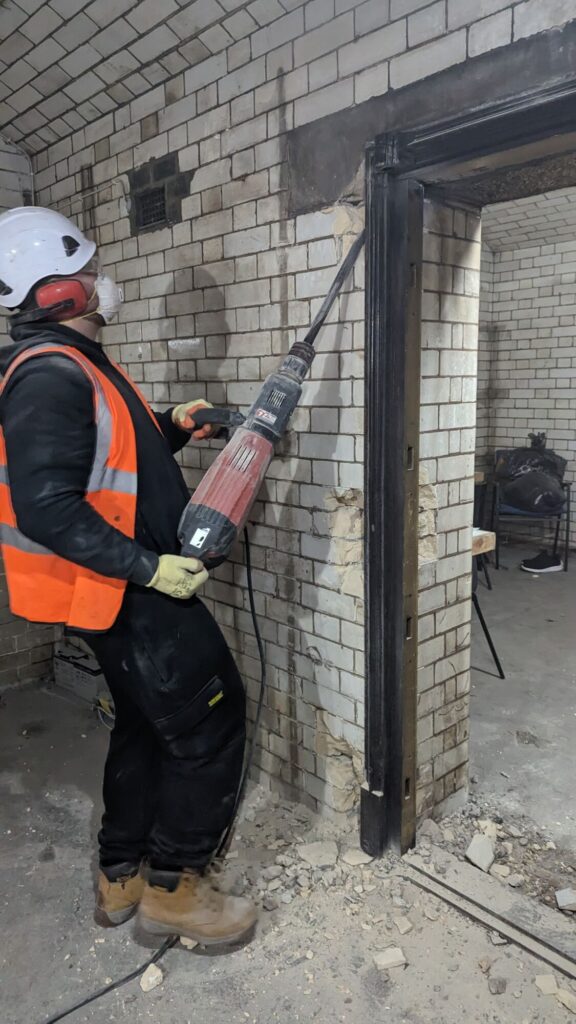
If your vault has suffered structural damage, corrosion, or wear that compromises its integrity, removal may be the safest and most cost-effective route. Older vaults, especially those built with materials that degrade over time, may no longer provide reliable security. In this situation, we recommend having the structure investigated by a professional to review the integrity of the safe to confirm there’s no structural risk.
Investing in modern alternatives ensures that your business assets remain fully protected and compliant with today’s security expectations and minimum standards.
Space Reclamation
As businesses evolve, so do space requirements. Vaults occupy significant square footage, and for companies undergoing renovations, expanding operations, or shifting to digital or off-site storage, reclaiming the space is a great option. Removing an obsolete vault could open opportunities for new office layouts, additional storage, or more efficient workflows. If you’re looking to sell or lease the building, removing the vault may make the building more appealing for potential buyers or lessees.
Compliance Issues
Regulations and industry standards change, and older vaults may no longer meet updated safety or compliance requirements. Whether it’s fire resistance, locking mechanisms, or meeting modern insurance coverage, an outdated vault could put your business at risk. In such cases, vault removal and replacement with a compliant, modern system is necessary.
By removing the vault, you always have solid security options by purchasing a safe. You can save even further by purchasing a reconditioned safe. We have plenty of safe options, see our safe buying guide for helpful information on the right choice for you or our safe buying guide per industry.
When to Choose Vault Restoration
Vault removal isn’t always the answer, especially when the existing structure still holds value or can be brought up to modern standards through targeted improvements. In many cases, restoring the vault could bring much more benefit to the building.
Preserving Historical Value
For older buildings or heritage sites, a vault may be more than just a secure storage unit—it can be a unique architectural or historical feature. In such cases, restoring the vault allows you to retain its character while modernising key elements. This approach can enhance the overall appeal and value of the property, particularly for businesses that want to preserve their legacy or attract clients with a taste for tradition.
Cost Efficiency
If the vault’s structure remains sound, restoration is often more cost-effective than complete removal and replacement. Upgrading doors, locks, and interior fittings can breathe new life into an existing vault without the significant labour and disruption involved in a full teardown and removal. For budget-conscious businesses, this option delivers improved performance without breaking the bank.
Maintaining Security
Sometimes, all a vault needs is a security upgrade to meet current standards. Whether it’s installing advanced locking mechanisms, reinforcing the door, or improving fire resistance. Restoration can provide a significant security boost. If your vault still performs its core function reliably, these enhancements may be all that’s needed to ensure long-term protection.

Cost Considerations: Removal vs. Restoration
When deciding between vault removal and restoration, cost is at the forefront. While both options can be a significant investment, understanding the nature of these expenses can help you make a more informed choice.
Vault Removal Costs
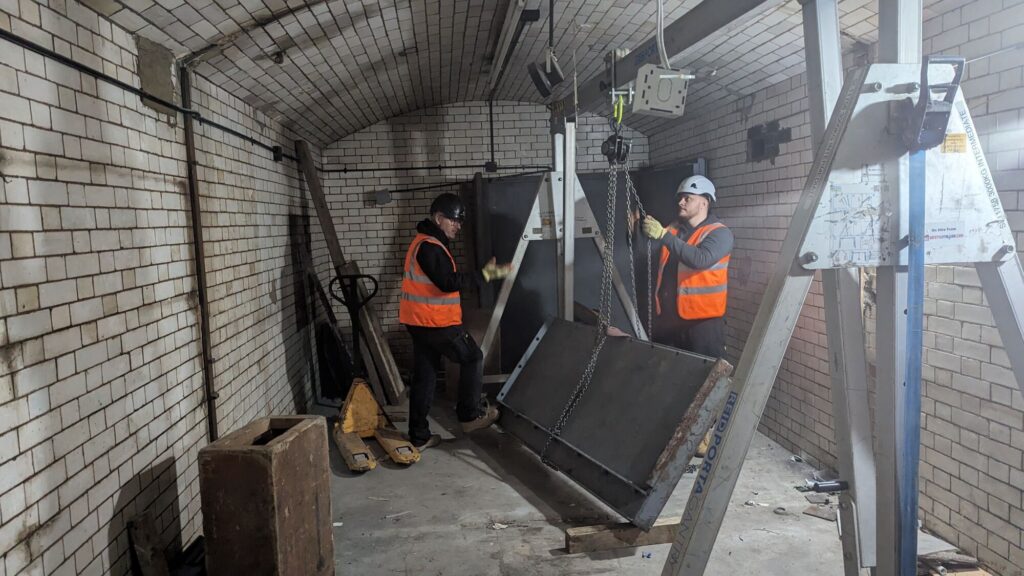
Removing a vault is a complex, specialist process that involves much more than simply dismantling and hauling it away. Labour-intensive work, the use of specialised equipment, structural reinforcements or repairs to the surrounding space, and the safe disposal of materials, particularly with larger or reinforced vaults. However, when hiring specialists like us, we have the experience and expertise, meaning the job is done efficiently and quickly. Resulting in time and money saved.
If the vault is embedded into the building’s structure, removal might require restoring walls, flooring, or infrastructure, which can increase costs to make good again.
Vault Restoration Costs
Restoration costs can vary widely depending on the scope of the work. If your vault needs only minor upgrades, such as a new lock mechanism or improved fireproofing, the costs can be relatively modest. More extensive refurbishments, including interior reconfigurations or replacing doors, can be more expensive. Restoration also tends to be less disruptive, which may be more beneficial to your business.
In short, removal is typically more expensive due to its complexity and impact on the surrounding structure, while restoration offers a more scalable cost profile, depending on what’s required.
Making the Right Decision for Your Business
Choosing between vault removal and restoration isn’t a one-size-fits-all decision. The right option depends on your business’s needs, budget, and plans.
Consulting Professionals
It’s crucial to seek expert guidance. A professional vault specialist like us can assess the condition of your existing vault, identify potential security or compliance issues, and advise on whether restoration is feasible or if removal would provide better value. This assessment can prevent unnecessary expenses and help you make a confident, informed decision.
Tailoring to Business Needs
Future action will depend on your business goals, plans and requirements. Some prioritise maximum security, while others may need to optimise space or adapt to operational changes. Think long-term: Will your business outgrow the current vault in a few years? Does your sector face evolving compliance requirements? By reviewing both options in line with your business goals, you’ll be better positioned to choose a solution that supports your business.
Next Steps
Whether you choose to remove or restore your vault depends on factors like cost, condition, compliance, and your business’s future needs. Each option has its benefits—what matters most is choosing the one that aligns with your goals.
Not sure which path is right for you? Contact our expert team today for advice and guidance from professionals in vault removal services. We can discuss your needs and help address any concerns. We’re here to help you make a secure and informed decision.
Cannabis Vault Storage
Why Secure Storage Matters for Medical Cannabis
The use of medical cannabis and cannabis-derived oils is steadily increasing across the UK, driven by growing recognition of their therapeutic benefits for conditions such as epilepsy, chronic pain, and multiple sclerosis. As prescriptions rise and more products enter the legal market, healthcare facilities, pharmacies, and manufacturers find themselves navigating an evolving landscape of both opportunity and responsibility. The need for medical cannabis vaults and safes for hospitals and pharmacies is growing.
From 2018 the legalisation of medical cannabis in the UK brings with it significant legal and security challenges. Facilities are required to meet strict regulatory standards governing the storage and handling of cannabis products. This includes protection from theft, tampering, and contamination. Failure to comply with these regulations can result in severe consequences, including heavy fines, license revocation, and even criminal charges.
There is the ever-present threat of organised crime. Facilities that store cannabis products can become targets for organised criminal gangs due to the high street value of cannabis products. Break-ins, internal theft, and unauthorised access are real risks that can jeopardise both the safety of staff and the integrity of the supply chain.
Security storage is, therefore, not just a regulatory requirement — it is a fundamental necessity.

Extracting oils from cannabis
Security Risks Associated with Improper Cannabis Storage
Medical cannabis products are highly valuable, meaning organised crime groups often seek out locations with inadequate security to target, increasing the risk of break-ins.
Internal threats are equally serious. Without proper controls, employees may exploit gaps in security to access and steal products, highlighting the need for restricted access and monitored storage.
Poor storage conditions also pose a risk. Medical cannabis is sensitive to temperature, humidity, and light, and improper storage can cause degradation, mould growth, and loss of potency. This not only affects product quality but can lead to financial losses and regulatory breaches.
Ultimately, inadequate storage puts patient safety and business reputations at risk. Patients depend on safe, effective treatments, and any compromise in product integrity can have serious health and legal consequences.
Secure, compliant storage such as cannabis vaults and high-security safes is essential to protect both the business and the people it serves.
Cannabis Vaults: Secure Medical Cannabis Storage
For full protection it is worth investing in purpose-built, high-security vault. Safes and vaults designed specifically for this sector offer a range of features that go beyond basic security, ensuring compliance, product integrity, and peace of mind.
High-Security Safes and Vaults
Eurograde-rated safes are the industry standard for secure cannabis storage, offering certified protection against burglary attempts. Designed to meet stringent European security standards, these safes provide robust resistance to forced entry.
Many models are also fire-resistant and tamper-proof, offering an extra layer of protection in the event of fire or attempted break-ins.
See our helpful Safe Buying Guide for information on Euro-grade cash ratings.
Access Control and Monitoring
Restricting and tracking who can access cannabis storage areas is just as important as the safe or vault itself. Modern security solutions use biometric locks, time-delay mechanisms, and dual-authentication systems to ensure that only authorised personnel can gain entry.
For an additional deterrent, integrating CCTV monitoring and alarms can be useful. These systems can monitor access in real-time and respond quickly to any security breaches.
Environmental Control
Maintaining the quality of medical cannabis requires careful control of environmental conditions. Climate-controlled vaults are designed to regulate temperature and humidity, preventing the growth of mould and protecting the product from light exposure.
Environmental control helps preserve the shelf life of cannabis products, ensuring patients receive safe and effective medication.
A secure, controlled storage solution not only protects against theft but also safeguards the integrity of your product — helping your business stay compliant, build trust, and deliver high-quality care.

Best Practices for Medical Cannabis Storage
Once you’ve chosen the right storage option, either a vault or a safe — it requires a complete, layered security process. By combining physical protection with operational protocols, businesses and healthcare facilities can significantly reduce risks and ensure ongoing compliance.
Here’s some ideas of security protocols to implement:
Multi-Layered Security Approach
Relying on a single security measure is never enough. The most effective protection involves multiple security systems, for example: secure Eurograde safes or vaults, monitored alarm systems, and restricted access to storage areas.
Together, these create several barriers that deter and delay unauthorised access.
Train Staff on Secure Storage Protocols
Even the best security setup can be undermined by human error. All employees handling or accessing medical cannabis should be properly trained on secure storage procedures, access control policies, and how to respond to security incidents.
Regular training ensures staff remain vigilant and reduces the risk of internal breaches.
Conduct Regular Security Audits and Compliance Checks
Security needs to evolve with emerging threats and changing regulations. Conducting regular audits helps identify vulnerabilities before they become serious risks. Compliance checks ensure that your secure storage continues to meet the latest legal requirements, protecting your business from potential fines or shutdowns.
Legal & Regulatory Requirements
In the UK medical cannabis storage is heavily regulated to protect public safety and ensure product integrity. Facilities must meet strict national and international standards or face serious consequences.
UK Home Office Regulations
In the UK, medical cannabis is classified as a Schedule 2 controlled drug under the Misuse of Drugs Regulations 2001. This requires storage in secure, approved safes or vaults that are fixed to the building and accessible only by authorised staff.
Pharmacy and Healthcare Standards
Pharmacies and healthcare facilities must also comply with General Pharmaceutical Council (GPhC) and NHS guidelines, ensuring controlled drugs are securely stored, access is restricted, and records are maintained.
European Union Standards
Across Europe, similar requirements apply, with a strong focus on secure storage, limited access, and traceability to protect patient safety and prevent diversion.
Consequences of Non-Compliance
Non-compliance with the correct storage protocols can result in heavy fines, loss of licenses, criminal charges, and reputational damage. It may also invalidate insurance coverage, exposing businesses to further financial risk.
Secure and compliant storage isn’t optional — it’s essential.
How Trident Safes Can Help
Through our years of experience in the safe and vault industry, we understand the unique security challenges faced by the medical cannabis industry.
We offer a range of off-the-shelf Eurograde safes available for installation and fully customised vault installations, ideal for dispensaries, pharmacies, healthcare facilities, and production sites.
Our safes are certified to resist burglary attempts, fire, and tampering, and can be fitted with advanced access control systems such as biometric locks, time-delay mechanisms, and CCTV integration.
For larger operations, we design and install bespoke vault rooms tailored to your site and operational needs — providing maximum protection while ensuring easy, compliant access for authorised staff. We have experience in building and installing pharmaceutical vaults.
Whether you need a single high-security safe or a complete vault solution, our expert team can advise, design, and install secure storage systems that give you peace of mind and future-proof your operations.
Ready to upgrade your medical cannabis storage?
Contact our team today to discuss your security needs and discover how we can help safeguard your business.
Vault and Safe Removal Services: Avoiding Costly Mistakes
Removing an old vault or heavy safe might seem straightforward, but it’s a highly complex process filled with risks and safety hazards.
Safes and vaults are designed to be immovable to avoid theft, often weighing several tons and securely anchored to the ground in concrete. Attempting to remove them independently can lead to serious issues, from structural damage to injury—and in some cases, even legal or insurance complications.
Many businesses and homeowners underestimate the challenges involved, only to face unexpected costs due to damaged flooring, walls, or even failed removals requiring emergency professional intervention. A poorly executed safe removal can also disrupt business operations and result in additional expenses that could have been avoided.
In this blog, we’ll explore the most common and costly mistakes made during safe and vault removals – and why hiring professional removal experts like us is often the most efficient and cost-effective way.
Mistake 1: Attempting a DIY Removal

One of the biggest and most costly mistakes people make when dealing with safe and vault removals is the DIY approach. While it may seem like a way to save money, DIY removal can quickly turn into a dangerous and expensive ordeal.
Vaults and safes are often reinforced with steel, concrete, and advanced locking mechanisms, making them incredibly difficult to dismantle or transport without the right knowledge or equipment. A typical vault can weigh several tonnes and will require specialised lifting equipment to dismantle and handle safely.
Without the right tools and expertise, attempting to remove one yourself can lead to:
Serious Injury – Moving heavy equipment without proper lifting techniques and equipment can result in back strains, crushed limbs, or even life-threatening accidents.
Damage to Property – Large safes and vaults can cause extensive damage to flooring, walls, and doorways if not handled correctly. Dragging or tipping them incorrectly can lead to cracks in concrete, broken tiles, or structural damage that is costly to repair.
Incomplete Vault Removal – Vaults are often bolted to the floor or embedded in concrete walls, requiring professional tools. A failed removal attempt could leave you with a partially dismantled vault or worse structural damage to the building if removal is attempted. These situations then require emergency professional assistance, costing a premium.
Mistake 2: Failing to Assess Structural Impact
One critical mistake in vault and safe removal is not assessing the structural impact on the building. Vaults can be embedded in walls and often integrated into the foundation of a property. Removing them without understanding how they affect the building’s structure can lead to severe and costly damage.
Potential Risks of Skipping a Structural Assessment:
Floor Damage or Collapse – Many safes are installed on upper floors for easy access, but these areas often have weight-bearing limitations. Without proper evaluation, attempting to remove a heavy safe can weaken or even collapse the flooring, leading to expensive repairs.
Wall and Foundation Damage – Vaults built into walls or foundations require careful dismantling. Improper removal can cause cracks and structural instability – compromising the building.
Unstable Load Bearing – If a vault is removed without reinforcing the surrounding structure, it can create an uneven weight distribution, resulting in long-term damage to the building.
How to Avoid This Costly Mistake
Before any removal begins, contact a professional to conduct a structural assessment, this will help determine the safest way to extract the vault. Experts analyse load-bearing capacities, anchoring points, and the safest removal route to prevent damage.

Mistake 3: Inadequate Planning for Access
Another costly vault and safe removal mistake is underestimating the challenges of access. Large safes and vaults are often purposely installed in secure, hard-to-reach locations—deep inside a commercial building, on upper floors, or in basements. Without careful planning, removal attempts can quickly become an expensive logistical nightmare.
Common Access Challenges:
Narrow Doorways and Hallways – Trying to manoeuvre a heavy safe through tight spaces without proper planning can lead to damage to walls and door frames.
Staircases and Lifts – Moving a heavy vault up or down a staircase without specialist lifting equipment is dangerous and can cause injuries or severe structural damage. Many lifts are also not rated to carry the weight of a large safe. Often the best action in these situations is to crane the safe out of the building via a window.
Confined Spaces – Vaults installed in basements or secured rooms often have limited exit routes, requiring strategic dismantling along with specialist extraction methods and equipment like stair climbers or hydraulic lifts.
Mistake 4: Not Accounting for Disposal or Recycling
Many people overlook a critical next step: what do you do with the safe or vault once removed? Containing materials like reinforced steel, concrete, and composite alloys (some of which are can be valuable). Leaving an old safe outside or attempting to dispose of it without following proper procedures can lead to unexpected costs, environmental concerns, and even legal penalties.
Some older safes contain hazardous materials such as lead or fire-resistant insulation that must be handled and disposed of correctly to prevent environmental contamination.
How Professionals Prevent Costly Mistakes
As vault and safe removal experts, we follow a meticulous, step-by-step process to avoid the common pitfalls that can lead to injuries, property damage, or unexpected costs.
Before any work begins, we conduct a thorough site assessment, often accompanied by a structural engineer, to evaluate structural integrity and weight distribution and plan access/removal routes. This allows us to formulate an efficient removal plan.
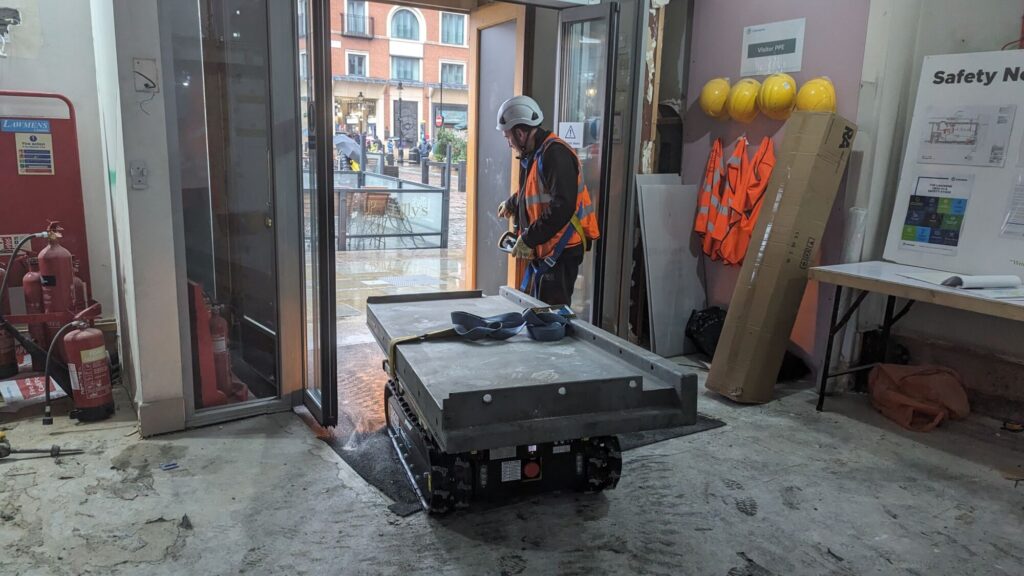
We use specialist equipment such as cranes, HIAB vehicles, hydraulic lifts, robotic carrying equipment, stair climbers and more. This allows us to manoeuvre heavy safes and dismantled vaults without causing damage to floors, walls, or doorways. Additionally, we adhere to strict safety procedures, use protective gear and techniques to eliminate risks.
By entrusting safe and vault removal to certified experts like Trident Safes. You can be confident that every aspect of the process is managed efficiently, cost-effectively, and most importantly, safely.
Here to help with Vault Removal
If you’re considering installing a large vault or need assistance with vault removals, we’re on hand to help. We have over 50 years of experience in heavy logistics and safe installation and provide a range of vault and safe services including safe removal and relocation, safe installation and safe repair. We even sell new safes and reconditioned safes too!
Contact us today for a consultation, and let our experts guide you through every step of the process. Use the website contact form or call us to learn more about our services and how we can meet your security needs.
Top 5 Challenges in Large Vault Installations
Large vault installations are far from a one-size-fits-all process. Vault installation projects require precision, expertise, specialist equipment and a keen eye for detail to ensure both functionality and compliance with security regulations. We pride ourselves on being industry leaders in the installation and removal of safes and vaults. With years of experience and a proven track record, see our recent projects to find out more.
If you’re running a business with high-value assets or sensitive documents, then you may choose to invest in installing a vault to safeguard these valuables. Vaults often play a critical role in meeting stringent security standards and legal requirements. However, while the benefits of a vault are clear, installation is rarely straightforward. From logistical hurdles to complex technical struggles, vault installations bring a unique set of challenges.
We’ll explore the top five challenges commonly encountered during large vault installations

Newly installed Pharmaceutical vault
Challenge 1: Structural Integrity of the Building
One of the first considerations in vault installation is the structural integrity of the building where the vault will be. Vaults are incredibly heavy, often weighing several tons, which can and will place significant strain on floors, walls, and other foundations.
It’s crucial to conduct a detailed assessment of the site, involving structural engineers who can determine whether reinforcements are necessary and provide a structural analysis. Without proper structural analysis, you risk compromising the building’s stability, leading to costly repairs and severe dangers. The first challenge is to make sure the building and flooring surface is capable of supporting the vault’s weight and maintaining long-term safety.
Challenge 2: Limited Access and Space Constraints
The sheer size and weight of vaults and vault doors make transport and installation a logistical challenge. Narrow corridors, tight corners, and limited access points such as basements or stairs can all complicate the process, requiring careful planning and specialised equipment.
Overlooking these constraints and not being prepared can result in delays, damage to the vault, or even structural damage to the building if the fault knocks into walls or other structural elements in installation process. To address this, a pre-installation survey should be conducted to identify access issues which will then help to formulate a vault installation plan and risk assessment. This will also give you an idea of what specialist tools and equipment will be needed such as cranes, hydraulic lifts, forklifts, skates and more.
If you’re thinking about installing a safe or vault and need help or advice contact our team today.
Challenge 3: Compliance with Security Standards
The point of the vault is to protect your items, and therefore, the vault needs to meet strict security standards and compliance to ensure it offers the level of protection you need. Vaults must meet stringent security standards, often dictated by legal or industry-specific regulations. These standards include fire resistance, penetration resistance, smoke damage, and tool resistance, and must meet these standards to achieve a security rating such as Eurograde. Compliance with these safety ratings must often be met for adherence to insurance requirements. Non-compliance can not only render the vault ineffective but also void insurance policies.
Navigating these standards requires expertise in both national and industry-specific guidelines. As an experienced safe and vault installer, we can ensure the vaults we install meet these stringent standards, so if you’re unsure, feel free to contact our team.
Challenge 4: Time and Cost Management
Large vault installations are complex projects that can become time-consuming and costly without proper planning. Unanticipated challenges, such as structural reinforcements, can escalate costs and push back timelines.
To keep projects on track, it’s essential to work with professionals who can provide a clear project timeline and full vault installation plan along with risk assessments, which can outline a project budget from the outset. Building contingencies into both time and cost planning will also help mitigate unexpected hurdles, ensuring the project stays manageable and within scope.
Challenge 5: Integration with Security Systems
A vault is only as secure as the systems supporting it. Making sure security systems work together seamlessly to allow access control, security alarms, and monitoring systems is critical to achieving comprehensive security to protect your valuables. However, compatibility issues or poorly executed integrations can leave vulnerabilities in the system, which could be exploited and reduce the vault’s security.
Trident Safes works closely with our clients to ensure that the vaults we install are not only physically robust but also operate as part of a fully integrated security ecosystem, maximising the vault’s effectiveness and maintaining the desired security.

Need Assistance with Large Vault Removals?
Vault installations are complex undertakings that require careful planning and expertise to address challenges such as structural integrity, space constraints, compliance with security standards, cost management, and system integration. Failing to properly address these obstacles can result in delays, increased costs, or compromised security.
If you’re considering installing a large vault or need assistance with vault removals, Trident Safes is here to help. We have over 50 years of experience in heavy logistics and safe installation and provide a range of vault and safe services including safe removal and relocation, safe installation and safe repair. We even sell new safes and reconditioned safes too!
Contact us today for a consultation, and let our experts guide you through every step of the process. Use the website contact form or call us to learn more about our services and how we can meet your security needs.
The Top 5 Features to Look for in High Security Safes
High Security Safes
In today’s world, the importance of high security safes cannot be overstated. With the ever-evolving nature of threats, both digital and physical, the demand for reliable and robust high security safes has surged across the country.
Businesses, big and small, are increasingly recognising the need for quality security solutions to protect their valuables, sensitive documents, and cash reserves. High security safes not only offer peace of mind but are often also essential for meeting stringent insurance requirements. Insurers often mandate the use of certified high security safes to reduce risk levels and provide coverage, making the selection of an appropriate safe critical for compliance and protection.
Amidst this growing need, Trident Safes specialises in a range of safes, including Eurograde 4 safes and Eurograde 5 safes. We offer unparalleled protection for your valuables.
These safes are designed to meet the highest standards of security, providing formidable barriers against burglary and unauthorised access. Partnering with us means your business can find the perfect blend of sophisticated security features and reliability, ensuring your assets are safeguarded with the utmost care and expertise.
1. Advanced Locking Mechanisms: Key to Deterring Unauthorised Access
At the heart of high security safes lies their advanced locking mechanisms, essential for stopping unauthorised access. Biometric locks offer personalised security through fingerprint or retina scans, ensuring access is strictly limited to authorised individuals.

Zeta 25 Electronic 14
Electronic locks provide flexibility with customisable codes, enhancing security by allowing for quick code changes in response to potential breaches.
Modern combination locks have evolved to offer high resistance to manipulation, presenting a significant challenge to unauthorised entry attempts.
These sophisticated locking systems are not just physical barriers; they also serve as psychological deterrents, discouraging potential intruders with their complexity and security features.
Based on your requirements we can prioritise the integration of these cutting-edge technologies when helping you choose a high security safe, including Eurograde 5, Eurograde 6, and Eurograde 4 models.
2. Robust Construction Materials: The Foundation of Safe Security
The materials used in the construction of high-security safes play a pivotal role in determining their effectiveness against break-ins and damage. Steel, renowned for its strength and durability, is a cornerstone material in safe manufacturing. It provides a formidable barrier against physical attacks, making it significantly more challenging for intruders to breach the safe. The thickness and quality of the steel used directly influence the safe’s resistance to cutting, drilling, and other forms of forced entry.
Composite materials (materials with a combination of base materials) are also integral to enhancing a safe’s security features. These materials often include a blend of metals and other substances with different chemical and physical properties designed to increase fire resistance, thermal insulation, and shock absorption. This not only helps protect the contents from fire and heat damage but also adds an additional layer of difficulty for those attempting to break into the safe through conventional means.
The quality of construction is crucial; it determines how well a safe can withstand attempts at forced entry or damage. Well-constructed safes, featuring seamless welds and precision engineering, leave little to no weak points for attackers to exploit. This construction quality is vital for ensuring that the safe remains intact and secure under duress, safeguarding its contents against theft and environmental hazards.
Our Eurograde 5, Eurograde 6, and Eurograde 4 safes are built to offer unmatched resistance to break-ins and damage, using the best in steel and composite materials.
3. Fire and Water Resistance: Essential Protection for Your Valuables
For high security safes, resistance to fire and water is not just an added benefit—it’s essential. These features ensure that in the event of emergencies, such as fires or floods, your valuables remain protected. Fire resistant high security safes are designed to withstand extreme temperatures, safeguarding important documents, electronic devices such as laptops or hard drives and other sensitive items from the devastating effects of fire. These safes are tested to endure specific temperatures for a set duration, offering peace of mind that your assets are secure even in the fiercest of blazes.
Water resistance is equally critical, especially in areas prone to flooding or in scenarios where firefighting efforts might introduce water into the safe. Water resistant safes are engineered to prevent water ingress, protecting contents from moisture damage that could ruin paper documents or electronic devices.
For instance, in a fire, a fire-resistant safe can keep internal temperatures below a critical threshold, ensuring paper documents don’t char or burn. Similarly, in a flood, a water resistant safe can keep out water, preserving the integrity of its contents.
It’s important to recognise the importance of these protections and ensure you’re covered for fire and water resistance when selecting high security safes, including our Eurograde models.

4. Customisable Size and Interior: Tailoring to Your Security Needs
The versatility in size and customisable interiors of high security safes is a crucial aspect that caters to a wide range of security needs. Understanding that every
client has unique requirements, safes are designed in various sizes, from compact models suitable for personal valuables to larger safes and vaults capable of storing substantial amounts of cash, documents, and other significant assets.
The ability to customise the interior layout of a high security safe adds another layer of adaptability. Adjustable shelves, drawers, and compartments allow for the organised storage of items, maximising space efficiency and making it easier to access what you need, when you need it. This customisation ensures that whether you’re safeguarding jewellery, documents or electronic devices, there’s a configuration that meets your specific requirements.
For businesses, this flexibility means being able to secure a variety of assets in a manner that aligns with operational needs. We offer a wide range of high security safes with customisable interiors, including our Eurograde 5, Eurograde 4, and Eurograde 6 safes.
5. Accreditation and Certification: Ensuring Peace of Mind and Compliance
The significance of industry certifications and accreditations for high-security safes cannot be overstated. These credentials serve as a testament to a safe’s reliability and effectiveness in protecting valuables against theft and damage. Accreditation from recognised standards bodies assures that the safes have undergone rigorous testing to meet specific security, fire resistance, and durability criteria.
For businesses and individuals alike, choosing a certified safe is crucial for peace of mind. Knowing that your valuables are stored in a safe that meets or exceeds industry standards can significantly reduce the worry associated with security risks. Furthermore, insurance companies often require the use of certified safes as part of their policy conditions. Having a safe with the proper accreditation can be a determining factor in the coverage and premiums offered, making it an essential consideration for anyone looking to insure their valuables. See our safe cash rating guide.
Certifications such as Eurograde (EN 1143-1) are particularly noteworthy, as they provide a clear indication of a safe’s ability to withstand attempted break-ins and attacks. Safes with Eurograde certification are ranked based on their security level, with higher grades offering greater protection.
This grading system allows customers to choose a safe that matches their specific security needs and complies with insurance requirements. If you’re unsure on the level of accredited safe you need for your purpose then see our helpful Safes for your industry Guide.
Our range of high-security safes, including Eurograde 4, Eurograde 5, and Eurograde 6 safes, come with the necessary certifications to ensure compliance with insurance standards and give our clients the assurance they need that their assets are well-protected.
Your Trusted Partner in High-Security Safeguarding
For unparalleled security, the top features of high-security safes stand out: advanced locking mechanisms, robust construction materials, fire and water resistance, customisable size and interior, and essential accreditation and certification. These elements collectively ensure that valuables are protected against theft, damage, and environmental hazards, meeting the diverse needs of both businesses and individuals.
We’re dedicated to offering top-quality high-security safes that incorporate these critical features. Our commitment to excellence is reflected in our selection of high grade security safes including the Eurograde 5, Eurograde 6, and Eurograde 4 safes, each designed to provide the ultimate in security and peace of mind. With rigorous testing and certification, we ensure that our safes meet the highest standards, aligning with insurance requirements and surpassing client expectations.
Contact us for more information or to explore our extensive range of high-security safes and security solutions we offer. Let us help you find the perfect safe to meet your security needs, offering not just a product, but a partnership in protection.
for more helpful information on buying a safe then see our safe buying guide.
Applications of Hiab Cranes
Hiab truck hire plays a pivotal role in a range of industries and applications. From the construction sector to transportation and logistics, lorry crane hire is used to ensure heavy loads are moved safely to their destination. Hiab lorry cranes are designed and built to the highest standards to ensure they can carry out all required tasks safely and efficiently. Lorry crane hire is designed with functionality, dependability, and exceptional value in mind in a range of industries. Here are some of the industries and applications Hiab truck hire is used for.
Construction
The construction industry is one of the most diverse out there. It covers everything from lifting and putting in place heavy building materials to aiding in the installation of structural components such as walls and roofing. Hiab truck hire is important for this industry as it can easily adapt to a range of tasks quickly and efficiently.
HIAB Hire for Logistics
One of the other major industries Hiab cranes are used for is the logistics and transportation sector. Because of their strong lifting capabilities, Hiab cranes can easily and safely transport heavy objects from one site to another. Whether it be heavy vaults and safes, hot tubs, ornate clocks or other such large and difficult objects, Hiab trucks can move them in an efficient and timely manner.
Utilities and Maintenance
With their ability to carry heavy loads, Hiab cranes are becoming more common in the utilities and maintenance sector. For example, they are used in removing large amounts of material for waste and recycling, as well as maintaining and repairing electrical power structures and other vital infrastructure. Hiab cranes allow crews to carry out these tasks in a safe and effective way.
Hiabs for Manufacturing
The manufacturing industry needs Hiab cranes to move heavy materials and equipment around quickly within factories and warehouses. They can efficiently transport heavy machinery, raw materials, and other equipment swiftly and precisely, which helps to reduce downtime while improving production processes.
Cranes and HIABs for Infrastructure Projects
When it comes to large-scale public infrastructure projects, Hiab cranes offer indispensable support. From moving public monuments and placing garden items to constructing large signs and bridges, Hiab trucks offer incredible versatility, especially when it comes to manoeuvring in tight spaces and reaching elevated areas.
Forestry and Agriculture
While Hiab cranes are important for industries in metropolitan and industrial areas, they can also be of service in rural areas as well. They can be utilised for moving agricultural machinery and transporting heavy logs from forests to warehouses. Hiab cranes help reduce the labour requirements for such tasks while decreasing the risk of damage or injury.
Events Management
Hiab cranes are particularly useful in helping set up temporary entertainment structures rapidly as well as in their eventual dismantling. They can be used to set up and take down stages, lighting and sound systems, and other event structures. Hiab trucks are the perfect choice for festivals, concerts, and other major events.
Other Industries
There are many other industries in which Hiab cranes offer important uses. Some of these include:
• Oil and gas
• Marine construction
• Wind turbine maintenance and construction
• Mining
• Rail and track installation
• Defence facilities
Trident Safes
Whatever you need Hiab lorry crane hire for, we can provide it for you at the most cost-effective rates. Our vehicles meet all TFL requirements for working in central London. A thorough risk assessment and lift plan can be provided upon request for removal and relocation projects. For more information about our Hiab hiring services, please contact us.
What are reconditioned safes and why should I choose one?
If you are looking to choose a new safe for your home or business, you might have your eye on the latest models with the most up-to-date security features. Yet while you will get great security from the newest safes on the market, you should have a look at the benefits of purchasing reconditioned safes. In fact, second-hand safes can offer you all the features of modern safes at a greatly reduced cost. The following is our guide to purchasing reconditioned safes and what benefits they can offer you.
What Are Reconditioned Safes?
Second-hand safes are ones that have been previously bought and used by an individual or business and are now being sold second-hand. To verify that a second-hand safe is fit for continued use, it is checked and serviced to ensure it provides the appropriate level of security. This also includes cleaning it out, repainting it, and replacing any locks or bolts that no longer function. Once the safe has been completely refurbished, it can be sold at a lower cost while still providing value and security based on your needs.
Why Choose Refurbished Safes?
• All refurbished safes must comply with the British Standards Institute standard BS 7582. This includes inspection for quality and reliability, replacements with suitable parts where needed, and cleaning and repainting it ready for resale.
• A safe is typically designed to last a lifetime, especially when it comes to older models. Safes that, along with their safety features, have been well maintained by their previous owners will perform as well as those that have been recently released onto the market. Durable safes that have been reconditioned can be used for any function requiring security.
• The cost of acquiring a new safe will be higher than that of an equivalent older one. But considering that second-hand safes are just as secure as the latest models you might just as well benefit from the cost savings.
• There are many distinguishing characteristics associated with specific brands of safes, some of which are exclusive to a particular model. For specific styles or security features you need, you may need to acquire a used safe if that model is no longer made.
• In the case of used safes, a one-year warranty is provided, and they are fully certified. You can return the safe for free within this period should you find there is a problem with it.
• The design of many older safe versions was bulkier than that of more up-to-date ones. As a result, thieves are significantly less likely to be able to steal the safe. Because of this, the older, heavier versions are more deterrent to theft.
• By purchasing a used safe, you are cutting down on the number of resources used and waste produced when making new models. This makes purchasing used safes a much more environmentally friendly option.
Tips on Purchasing a Used Safe
• Learn as much about the history of the safe as possible. Who owned it, what it was used for and why it was sold can help you determine if it is suitable for storing your valuables.
• Check to see if the safe has ever been accessed by thieves. Any damage or drill holes could compromise the security of your safe.
• Make a list of what security features you need your safe to have, and whether the safe you’d like to purchase has these features. If not, check to see if it can be upgraded to include these features.
• Keep a list of what security features you wish your safe to have, and check to see if the safe you wish to purchase has these features. If not, check to see if it can be upgraded to include these features.
• Buy used safes that are made by reputable brands such as Chubb, Sistec and Rosengreens.
• If possible, try to avoid buying used safes from the classifieds or online marketplaces. These individuals may not have kept their safes well maintained or serviced and may even still have access to your safe without your knowledge.
• Wherever possible, purchase used safes through reliable retailers such as Trident Safes to ensure you get the best quality product for your money.
Trident Safes
We restore antique safes, cabinets, and jewellery boxes to like-new condition at Trident Safes. All your valuables are protected by our safes, which offer first-rate security for a reasonable price. Both residential and commercial clients can benefit from our wide range of modern safes and vaults. With over a decade of experience, we have established ourselves as a reputable supplier of new and used safes. Get in touch with us today if you are interested in learning more about our refurbished safes.


